


Introduction
LED (light-emitting diode) lights have revolutionized modern lighting by offering an energy-efficient, long-lasting, and stylish alternative to traditional bulbs. As they become more popular in homes, offices, and commercial spaces, a common question often arises: Do LED lights get hot? While LEDs are generally known for staying cool, they do generate a small amount of heat, but not in the same way as incandescent or halogen bulbs.
LED lights do produce some heat, but not in the same way as traditional incandescent or halogen bulbs. While they remain cool to the touch, they do generate a small amount of heat internally, primarily managed through components like heat sinks. This minimal heat output makes LEDs much safer and more energy-efficient compared to older lighting technologies.
Unlike older technologies that emit significant radiant heat from their surface, LEDs manage warmth internally through their components. This article explores how LEDs produce and dissipate heat, compares them to other bulbs, discusses safety concerns, and provides practical tips to ensure their performance and longevity remain optimal.
| Aspect | LED Lights | Traditional Bulbs (Incandescent/Halogen) |
| Heat Emission | Low, internal heat only | Hot water can cause burns |
| Touch Temperature | Cool to warm | 150°C – 370°C (300°F–700°F) |
| Heat Management | Heat sinks, drivers, vents | None or minimal |
| Typical Operating Temp | High, emitting radiant and surface heat | 150°C–370°C (300°F–700°F) |
| Overheat Risk | Rare, in enclosed/unventilated areas | High, especially in prolonged use |
| Impact on Lifespan | Heat can reduce efficiency if unmanaged | Burns out quickly due to high heat |
Do LED Lights Get Hot?
LED (Light Emitting Diode) lighting is widely praised for its energy efficiency, long lifespan, and modern aesthetic. However, one common question many people ask is, Do LED lights get hot? The short answer is yes, but not in the way traditional incandescent or halogen bulbs do. This article examines why LEDs get warm, the amount of heat they produce, how they manage this heat, and what it means for safety and performance.
Yes, LED lights do produce heat, but the amount and type of heat they make are very different compared to older lighting technologies. LEDs generate light through a process called electroluminescence, where electricity passes through a semiconductor, causing it to release photons (light). While this process is efficient, it still generates some heat, primarily in the form of thermal energy within the electronic components.
- LEDs emit light, not heat; most of the energy goes into illumination, not warmth.
- They stay cool to the touch, even after hours of use.
- Heat is managed internally with built-in heat sinks.
- No risk of burns, unlike traditional incandescent bulbs.
- Cooler operation means longer lifespan and energy savings.
- Overheating only occurs in enclosed, non-ventilated spaces.
- Proper installation keeps heat levels safe and ensures high performance.
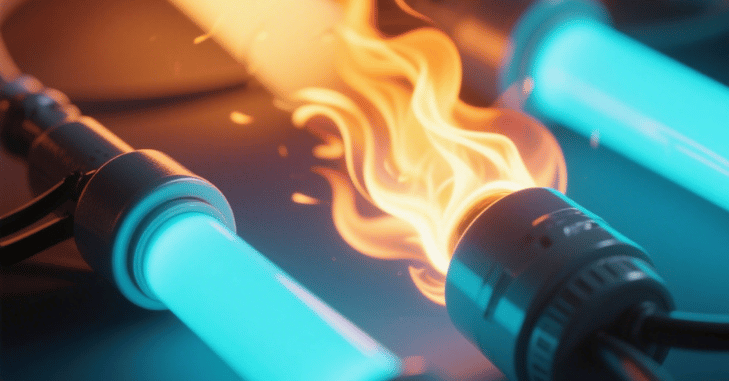
LED Heat vs Traditional Bulbs
To understand how warm LEDs can get, it’s helpful to compare them with other lighting types:
| Bulb Type | Temperature Range | Heat Emission Type |
| Incandescent | 25°C–60°C (77°F–140°F) | Radiant and Surface Heat |
| Halogen | Up to 370°C (700°F) | Extremely hot surface |
| CFL (Compact Fluorescent) | 25°C–60°C (77°F – 140°F) | Moderate heat |
| LED | Around 60°C–100°C (140°F–212°F) | Mild, internal heat only |
Key takeaway: LEDs get warm, not hot, and usually remain safe to touch.
Why Do LEDs Get Warm?
While LEDs are energy-efficient (converting about 80 percent of energy to light), the remaining 20 percent still becomes heat. This heat accumulates in the LED’s base, circuit board, and heat sink, not the light-emitting surface.
- Electronic drivers: These regulate voltage and can get warm.
- Semiconductors: The diodes themselves produce a small amount of heat.
- Power supply inefficiencies: Not all electricity is perfectly converted into light.
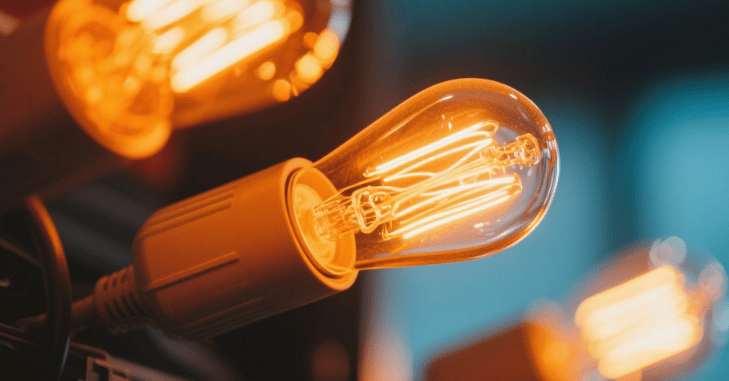
Heat Management in LED Lights
Cooling Methods in LED Design
- Aluminum heat sinks absorb and spread heat away from the diode.
- Thermal Paste: Helps improve conductivity between components.
- Vents or Fins: In larger LED fixtures, for passive airflow.
- Active Cooling (Fans): Found in high-powered commercial LED systems.
Proper heat management is crucial for the lifespan of LEDs. Excessive heat can shorten the lifespan and cause flickering, dimming, or total failure.
Are LED lights safe to touch?
Yes, in most cases, LED lights are safe to touch, especially the bulb portion.
Safety Notes
- The light-emitting surface stays cool.
- The base or driver section may feel warm, especially in enclosed fixtures.
- If an LED feels excessively hot, there may be an issue with ventilation or installation.
Can LEDs Overheat?
While LED lights are generally very efficient and safe, they can occasionally overheat under certain conditions. Overheating may occur if the LED is enclosed in a non-ventilated fixture, which traps heat and prevents proper airflow. It can also happen when an LED is installed with the wrong wattage or an incompatible driver, leading to excessive electrical stress.
Additionally, using LEDs in extremely hot environments without adequate heat dissipation can increase the risk of overheating. Some common signs that an LED is overheating include flickering or dimming, yellowing of the lens, a noticeable reduction in light output, and a shortened overall life expectancy of the bulb. Recognizing and addressing these symptoms early can help maintain both the performance and longevity of your LED lighting.
Tips to Reduce LED Heat and Improve Performance
| Tip | Explanation |
| Use Ventilated Fixtures | Ensure the LED’s wattage does not exceed the fixture’s rated capacity. |
| Choose Quality Brands | High-quality LEDs have better thermal management and are less prone to overheating. |
| Install Correct Wattage | Keep LEDs away from ovens, attics, and other areas that generate heat. |
| Check the Driver | Use a compatible driver, especially for dimmable LED bulbs. |
| Avoid High-Heat Areas | Install the Correct Wattage |
LED Lifespan and Heat Impact
The lifespan of LED lights is one of their most appealing features, often lasting between 25,000 and 50,000 hours. However, excessive heat can significantly reduce this longevity. Unlike traditional bulbs that suddenly burn out, LEDs tend to degrade gradually, producing less light over time, a process known as lumen depreciation.
If an LED is exposed to high temperatures or lacks proper ventilation, its internal components, particularly the driver and semiconductors, can deteriorate more quickly. This results in flickering, dimming, or total failure well before the expected lifespan. To ensure maximum durability and performance, it’s crucial to manage heat through proper installation, using quality products, and placing fixtures in well-ventilated environments.
Myths About LED Heat
| Myth | Truth |
| “LEDs can’t overheat.” | They get warm, but not dangerously hot. |
| “LEDs don’t need cooling.” | They can, especially in poorly ventilated fixtures. |
| “If it’s warm, it’s not an LED.” | Heat sinks are essential to keep internal temperatures safe. |
| “If it’s warm, it’s not an LED.” | Quality LEDs can be warm to the touch, especially the base. |
Conclusion
In summary, do LED lights get hot? LED lights do produce some heat, but it’s minimal and effectively managed through advanced design features, such as heat sinks and drivers. Unlike traditional bulbs, which can become dangerously hot, LEDs remain cool to the touch and are much safer in everyday use. However, factors like poor ventilation, incorrect installation, or low-quality products can still lead to overheating and reduced performance.
Understanding how heat affects LEDs and applying simple precautions, such as using ventilated fixtures and choosing quality brands, can help ensure their whole lifespan and efficiency. By staying informed and following best practices, you can enjoy the bright, energy-saving benefits of LED lighting without worrying about excessive heat.
FAQs
Yes, LED lights produce a small amount of heat, but not as much as traditional bulbs. Most of their energy goes into light, not heat, and they remain cool to the touch.
LEDs use electroluminescence, which is more energy-efficient and produces less heat. Any heat generated is managed internally through heat sinks and other cooling methods.
Yes, but only under certain conditions, like being installed in non-ventilated or enclosed fixtures, or using the wrong driver or wattage.
Yes, the surface of the bulb typically stays cool. However, the base or driver may feel warm depending on the fixture and usage.
Use well-ventilated fixtures, install LEDs with correct wattage, and choose high-quality brands that include proper thermal management systems.