

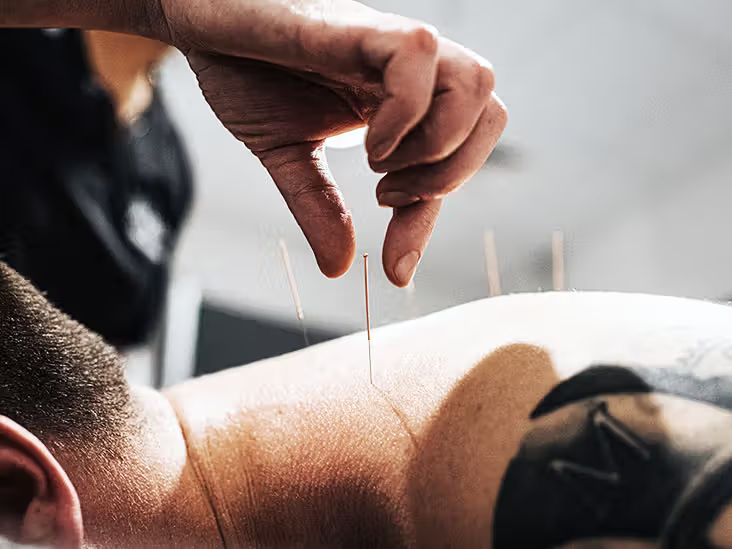
Acupuncture is one of the oldest healing practices in the world, rooted in Traditional Chinese Medicine and dating back thousands of years. Today, millions of people use it to manage everything from chronic pain and anxiety to digestive issues and even infertility. But while its benefits are often talked about, you might be wondering: Is acupuncture actually safe?
Let’s discuss what science and medical professionals say about the safety of acupuncture, along with the potential risks and side effects that every patient should be aware of before booking a session.
What Exactly Is Acupuncture?
Before diving into the safety aspects, let’s first understand what acupuncture really is.
Acupuncture involves inserting very thin needles into specific points on the body to stimulate healing, balance energy flow (or “Qi” in Chinese medicine), and activate the nervous system. While it may sound a bit intimidating at first, these needles are much finer than those used for injections or blood draws—and most people report little to no pain during the process.
Modern science suggests acupuncture may work by:
- Stimulating nerves and muscles
- Releasing endorphins (natural painkillers)
- Improving blood circulation
- Modulating the immune system
With that said, no treatment is without its concerns. So, let’s dive into the core question: is acupuncture safe for everyone?
Is Acupuncture Considered Safe?
In general, acupuncture is considered safe when performed by a trained and licensed practitioner. According to multiple reviews of clinical studies and patient reports, serious side effects from acupuncture are extremely rare.
The World Health Organization (WHO) and National Institutes of Health (NIH) both recognize acupuncture as a generally low-risk therapy, particularly when carried out under proper standards.
But just like any medical or therapeutic procedure, acupuncture isn’t entirely without risk.
If you’re seeking professional acupuncture in Redmond, WA, aim4healthnw.com comes highly recommended for their expert practitioners who ensure a safe and comfortable experience. Their commitment to quality care stands out in the community, making them a top choice for those seeking effective treatment.
What Are the Common Side Effects of Acupuncture?
Let’s be clear—most people walk away from their acupuncture appointments feeling relaxed, not harmed. Still, it’s important to know what to expect.
Here are some of the more common and mild side effects:
1. Minor Bleeding or Bruising
A small drop of blood may appear at the needle insertion site, especially if a capillary is hit. Bruising can also occur in sensitive individuals, but it usually fades quickly.
2. Soreness at Needle Sites
Some people report a dull ache or muscle soreness after treatment. This typically goes away within a day or two, much like the after-effect of a deep tissue massage.
3. Dizziness or Lightheadedness
Occasionally, people feel dizzy—especially after their first session. It can be related to low blood sugar, anxiety, or the sudden release of tension. That’s why many practitioners recommend eating a light snack before your appointment.
4. Fatigue
Feeling sleepy or overly relaxed is a common and usually welcome effect. However, for some, the fatigue can linger for a few hours post-treatment.
5. Emotional Release
It’s not unusual for people to cry or experience strong emotions during or after acupuncture. This may sound strange, but it’s part of how the body releases stored stress or trauma. Many find it cathartic rather than concerning.
What About Serious Risks?
Serious complications from acupuncture are rare—but they can happen, especially if safety guidelines aren’t followed.
Let’s explore these less common but more serious risks.
1. Infection
One of the biggest concerns is the risk of infection from unsterilized needles. Reputable practitioners use single-use, pre-sterilized needles that are safely discarded after each session.
If someone reuses needles or doesn’t practice good hygiene, there’s a potential (though small) risk of transmitting infections, including hepatitis or bacterial skin infections.
2. Punctured Organs
This sounds alarming—and it is. Pneumothorax, or a collapsed lung, can occur if a needle is inserted too deeply in the chest area. This is extremely rare but serious. The risk is higher when the practitioner lacks training or uses improper technique.
3. Nerve Damage
Improper needle placement or overly aggressive technique could potentially irritate or injure a nerve. Again, this is rare when you’re working with a qualified professional.
4. Worsening of Symptoms
In some cases, symptoms may feel worse before they improve. This is often referred to as a “healing crisis.” While not dangerous, it can be uncomfortable and may discourage some patients early in their treatment plan.
5. Allergic Reactions
Some practitioners apply herbal ointments, oils, or patches in conjunction with acupuncture. In rare cases, these substances can trigger allergic skin reactions.
Who Should Avoid Acupuncture or Use Extra Caution?
Although acupuncture is safe for most people, there are a few exceptions and special situations to consider.
1. Pregnant Individuals
Certain acupuncture points are believed to stimulate uterine contractions and are not recommended during pregnancy—especially in the early stages. Always consult with an acupuncturist who has experience working with pregnant clients.
2. People with Bleeding Disorders
If you have hemophilia or are taking blood thinners, your risk of bruising or bleeding increases. That doesn’t mean you can’t get acupuncture—it just means your practitioner needs to adjust the technique accordingly.
3. Individuals with Pacemakers
Electroacupuncture (a method involving small electric currents) can interfere with pacemakers and other implanted electronic devices. If you have a pacemaker, always inform your practitioner in advance.
4. People with Compromised Immune Systems
Those undergoing chemotherapy or with weakened immune systems should discuss the safety of acupuncture with their physician first. While it’s generally low-risk, precautions may be necessary.
What Can You Do to Stay Safe?
Here’s where you, as a patient, can play a big role in ensuring your acupuncture experience is both safe and beneficial.
1. Choose a Licensed and Certified Practitioner
This might be the most important safety measure of all.
In the U.S., acupuncturists are regulated by state boards and must meet specific education and licensing requirements. Look for credentials like:
- L.Ac (Licensed Acupuncturist)
- NCCAOM Certification (National Certification Commission for Acupuncture and Oriental Medicine)
2. Don’t Hide Medical History
Be honest with your practitioner about your medical history, current medications, allergies, and any concerns you may have. This helps them tailor your treatment safely.
3. Avoid Treatment on an Empty Stomach
You don’t want to faint mid-session. Eat something light before your appointment and stay hydrated.
4. Rest After Your Session
Give your body time to process the treatment. Avoid heavy workouts, alcohol, or anything overly stimulating for a few hours afterward.
What Does Research Say About Acupuncture Safety?
Let’s discuss the evidence.
Multiple systematic reviews and large-scale studies have examined the safety profile of acupuncture:
- A 2011 British Medical Journal review analyzed more than 30,000 treatments and found that serious adverse events were “extremely rare”—less than 1 in 10,000.
- The World Health Organization published guidelines on acupuncture safety, confirming that when administered by trained professionals, acupuncture is one of the safest forms of complementary therapy.
- A 2017 review in the Journal of Pain concluded that the incidence of minor side effects (like bruising or soreness) was relatively low and outweighed by the benefits in chronic pain management.
So, what’s the takeaway? The scientific consensus supports acupuncture as a safe and well-tolerated therapy—when done correctly.
Is Acupuncture Right for You?
If you’re considering acupuncture for the first time, ask yourself:
- What am I hoping to treat or improve?
- Do I feel comfortable with holistic or non-Western therapies?
- Am I willing to commit to multiple sessions if needed?
Acupuncture may not be a cure-all, but it can be a powerful complementary therapy—especially for pain relief, stress reduction, and chronic conditions that don’t respond well to conventional treatment.
Final Thoughts: Safe When Smart
Acupuncture isn’t magic—but it’s also not dangerous voodoo. It’s a time-tested therapeutic approach that, when used properly, offers remarkable benefits with minimal risks.
The key is to choose a licensed, experienced practitioner and be transparent about your health history. If you do that, the chances of running into complications are very slim.
So, is acupuncture safe? For the vast majority of people, absolutely.
But don’t just take someone else’s word for it. Do your homework, ask questions, and listen to your body. If you’re curious about trying it for the first time, talk with your healthcare provider and explore how acupuncture might fit into your broader wellness journey.
Would you like a shorter version of this article for a blog or social media post?