


Introduction
Some people leave such a lasting impact on our hearts that it feels impossible to forget them, even after time and distance. Whether it’s a former lover, a close friend, or someone who caused emotional pain, the bond can feel unshakable, like an invisible connection that quietly lingers in the background of your life. These connections often resurface in our thoughts, prompting us to wonder why we still feel so emotionally attached to certain people.
So, what are soul ties? The term refers to deep emotional or spiritual connections formed through intense relationships, often rooted in love, intimacy, or shared experiences. These bonds can be beautiful and healing, but sometimes they can also feel heavy, confusing, or difficult to move on from. Understanding soul ties can help bring clarity to these lingering attachments and guide us toward emotional freedom and healing.
| Category | Details |
|---|---|
| What Are Soul Ties? | Deep emotional or spiritual bonds form between people. |
| Ways They Form | Through romance, friendship, trauma, or spiritual connection. |
| Signs You Might Have One | Obsessive thoughts, emotional triggers, and feeling unable to move on. |
| Healthy vs. Unhealthy Ties | Healthy ties uplift and support; unhealthy ones feel draining or obsessive. |
| How to Break Toxic Soul Ties | Through prayer, therapy, journaling, boundaries, and self-renewal. |
| Role in Relationships | Can create deep intimacy or emotional entanglement, depending on context. |
| Emotional Impact | It may affect future relationships, mental health, and self-perception. |
| Spiritual Meaning | Often viewed as energy cords or spiritual attachments in some beliefs. |
| Common Misconceptions | That all soul ties are romantic or always permanent. |
| Healing and Moving Forward | Involves reclaiming energy, gaining closure, and focusing on growth. |
What Are Soul Ties? Understanding Deep Emotional Bonds Beyond the Surface
Human connections can be powerful—sometimes to the point where they feel unbreakable, even after physical or emotional separation. Whether it’s a past relationship, a close friendship, or even a one-night encounter, some people leave a lingering imprint on us that’s hard to explain or shake off. This phenomenon is commonly referred to as a soul tie—a concept that bridges spiritual beliefs, emotional psychology and energetic exchange. But what are soul ties? Are they real? How do they form? And more importantly, can they be broken if they become unhealthy?
The Origin and Meaning Behind the Concept of Soul Ties
The term “soul tie” doesn’t have a single origin but is often rooted in spiritual, biblical, and emotional language. It refers to a deep, almost supernatural bond between two individuals. This bond can be emotional, spiritual, physical, or all three—often formed through intimacy, deep friendship, shared trauma, or long-standing connections.
In Christian teachings, soul ties are often seen as spiritual links created through sexual intimacy or covenant-level relationships like marriage. The Bible doesn’t use the exact term “soul tie.” Still, many interpret verses such as Genesis 2:24 (“…the two shall become one flesh”) and 1 Samuel 18:1 (describing David and Jonathan’s friendship) as references to such deep soul connections.
Outside of religious circles, therapists and psychologists sometimes describe soul ties using terms like trauma bonds, emotional enmeshment, or attachment patterns. Though the language differs, the idea remains: some relationships leave emotional fingerprints that are hard to erase.
How Do Soul Ties Form?
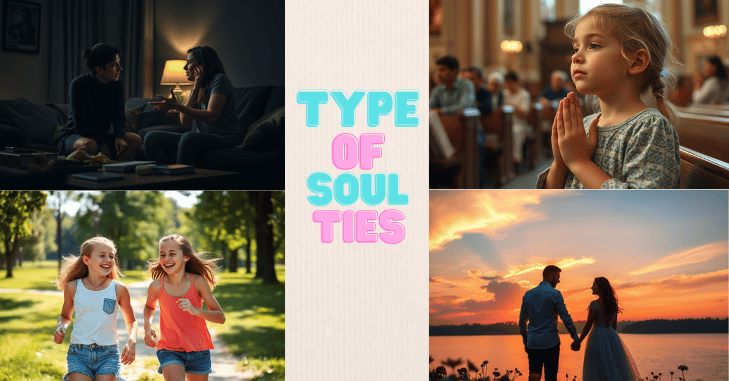
Soul ties can develop in various ways, and they don’t always involve romance or physical intimacy. Some of the most common ways they form include:
- Romantic and sexual relationships
The most commonly discussed soul ties are those that form through sexual intimacy. When two people become physically and emotionally involved, they often share aspects of themselves that extend beyond the physical. These connections can feel magnetic, obsessive, or impossible to move past—especially if the relationship ends suddenly or painfully. - Deep Friendships
Not all soul ties are romantic. Sometimes, they form through platonic love and companionship. You may feel deeply connected to a best friend, mentor, or sibling-like figure to the point where your emotions are intertwined with theirs. - Toxic or Abusive Bonds
Unfortunately, some soul ties form through trauma, manipulation, or codependency. In such cases, a soul tie may feel more like a chain than a connection—keeping someon, emotionally bound to a person who has harmed them. - Spiritual or Energetic Experiences
Some believe soul ties can also form through shared spiritual experiences, energy exchanges, or meditative/empathic connections. In spiritual or new-age communities, this is often referred to as energetic cords or spiritual attachments.
Are Soul Ties Always Healthy?
No—soul ties can be healthy, neutral, or toxic, depending on how they were formed and how they manifest in your emotional life.
Healthy Soul Ties

- Deep connections with loving, supportive partners or friends.
- Spiritual or emotional bonds that inspire growth, peace, and understanding.
- Mutual respect and emotional safety.
Unhealthy Soul Ties

- Obsessive thoughts about a person even after years of separation.
- Feeling like you can’t move on or love someone else.
- Emotional manipulation masked as love or connection.
- Recurring dreams, flashbacks, or emotional “triggers” are linked to that person.
In unhealthy situations, soul ties can feel like emotional captivity. You may feel confused, drained, or emotionally “stuck” even when you consciously want to let go.
Breaking Unhealthy Soul Ties: Can It Be Done?

Yes—many spiritual practitioners, therapists, and self-help guides offer methods for breaking soul ties, especially if they’re toxic or damaging. Here’s a breakdown of commonly used approaches:
1. Self-Awareness and Acknowledgment
Recognizing the existence of a soul tie is the first step. If a past relationship still has emotional power over you, admit it to yourself without shame. Avoid suppressing the feelings that need to be faced to be healed.
2. Prayer or Spiritual Cleansing (For Religious/Spiritual Individuals)
In Christian faith practices, people often break soul ties through prayer, repentance, and spiritual counseling. Others use rituals like cord-cutting ceremonies, energy healing, or chakra balancing to release lingering emotional bonds.
3. Journaling and Emotional Processing
Write about the person, the connection, and how it made you feel—both good and bad. Reflect on what you’ve learned and how it has shaped you. Processing your emotions on paper can help make the bond less potent over time.
4. No Contact and Boundaries
Distance yourself physically, digitally, and emotionally from the person. Stop checking their social media, responding to texts, or re-engaging in conversations. Consistent boundaries create space for healing.
5. Therapy and Inner Child Work
Working with a therapist—especially one familiar with trauma or attachment issues—can help you understand why the tie formed and how to release it. Many soul ties are rooted in unmet emotional needs or childhood wounds.
6. Reclaiming Your Energy
Start doing things that make you feel whole again, such as engaging in creative activities, pursuing hobbies, traveling, and forming new friendships. Shift your energy back to yourself. Reconnecting with your soul helps reduce the emotional grip someone else may have, even if there are intentions for you.
What are Soul Ties in a relationship?

Soul ties in relationships refer to intense emotional or spiritual connections formed with someone with whom you’ve been intimately involved. These connections can lead to a sense of being ”tied” to that person, making it hard to move on even when the relationship is over. In healthy relationships, this tie feels like closeness and loyalty. But in unhealthy dynamics, it can feel like emotional bondage, where you feel trapped, anxious, or consumed by the other person’s influence on your life.
Can Soul Ties Be Positive?
Absolutely. Not all soul ties are negative. Many soul connections are deeply loving, respectful, and transformative. For example:
- The key is a life partner who supports your growth.
- A mentor whose presence helped shape your identity.
- A best friend whose bond lasts a lifetime.
Mutual respect, emotional safety, and personal freedom are essential. A soul tie should never feel suffocating, manipulative, or one-sided.
Signs You May Have a Soul Tie With Someone

- You think about them constantly, even when you don’t want to.
- You feel their emotions or sense when something is wrong.
- You can’t fully enjoy new relationships.
- You feel triggered by reminders of them (songs, smells, places).
- You dream about them or feel a spiritual “presence.”
- You feel guilty for trying to move on.
Are Soul Ties Real?
Whether viewed spiritually or psychologically, the concept of soul ties helps explain why some people have a more profound impact on us than others. While not a medical or scientific term, it describes a real emotional and energetic phenomenon many experience but don’t always understand.
Understanding what are soul ties gives you power: power to nurture the good ones and break free from the ones that keep you emotionally trapped. Whether through prayer, therapy, or personal growth, reclaiming your energy is not only possible but also necessary for healing and wholeness.
Conclusion
Understanding the depth and impact of our emotional connections can be both healing and empowering. Some relationships uplift and shape us, while others leave us feeling stuck or emotionally bound. By exploring the concept of soul ties, we begin to understand why certain people continue to have a lasting impact on us long after the relationship has ended. Whether rooted in love, trauma, or shared experiences, these bonds are genuine in the profound way they shape our hearts, influence our choices, and impact our healing journey.
So, if you’ve ever asked yourself What are soul ties? The answer lies in recognizing the invisible emotional threads that connect us to others on a deeper, more profound level. Whether they’re healthy or toxic, the good news is that we have the power to understand, honor, and release them when needed. Healing begins when we reclaim our energy and choose connections that nourish the soul, rather than draining it.
Want to know about All About Gunnar Helm: Biography, Achievements, and Impact Check out our ‘Daily Bites‘ category.
FAQs
There is no fading or fizzing of your connection. It transcends space and time. You guys always have each other’s backs when it counts, and your door is always open for one another. No matter how much time or space separates you, you have the impression that you can’t and will never lose them.
A soul tie is an emotional connection or bond that you develop with another individual. Most of the time it’s with a significant partner, but occasionally it’s with a friend. Relationships with God, other people, and finally that special someone are what we were made for.
Ties vary widely. While certain soul ties may wane more rapidly, others may endure for years, particularly if ignored. The duration of a soul tie depends on the depth of the bond and the level of emotional or spiritual commitment made in the relationship.
In Conclusion. Certain zodiac signs feel more soul connections than others. Taurus gives loyalty, Cancer brings caring, Scorpio brings passion, and Pisces brings charm. You might have a lifelong soul connection if you have a strong bond with one of these signs.