

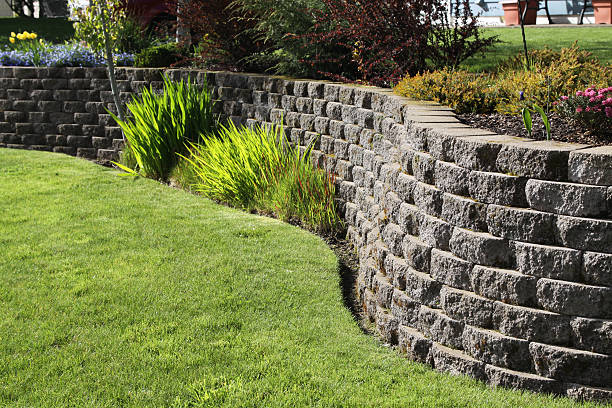
Have you ever looked at your sloped backyard and thought, “There’s so much potential here—but what can I really do with it?” You’re not alone. Uneven terrain often leaves homeowners wondering how to utilize their outdoor spaces fully. But here’s the good news: retaining walls might be the key to transforming that tricky yard into a multi-functional paradise.
Let’s discuss how retaining walls can help you reclaim lost land, add structure to your landscape, and even increase your property’s value.
What Are Retaining Walls?
Before diving into the benefits, let’s clarify what retaining walls actually are. Simply put, they’re rigid structures—often made from stone, concrete, wood, or brick—designed to hold back soil and manage slopes.
Instead of letting gravity take control of your hillside, retaining walls flatten out portions of your yard and provide level ground for gardens, patios, or play areas. They’re equal parts function and form—solving practical problems while enhancing the beauty of your outdoor space.
The Space Problem: Why Sloped Yards Limit Usability
So why do slopes cause such a headache for homeowners?
- Mowing is a struggle on inclines.
- Rainwater runoff can wash away plants and soil.
- Play areas or seating zones are nearly impossible to build on uneven land.
- Gardening becomes frustrating, if not dangerous, on steep grades.
The solution? Make the land work for you instead of against you. Retaining walls offer the foundation for flat, secure, and usable outdoor zones.
How Do Retaining Walls Create Usable Space?
Let’s explore how this landscaping solution can completely change the game for your yard.
1. Leveling Out Slopes
The most obvious benefit of a retaining wall is that it levels steep or sloped areas, making them suitable for just about anything—installing a patio, planting a vegetable garden, or setting up a cozy firepit.
Imagine transforming a hillside into a tiered garden or a dining nook where you can host weekend barbecues. All of that becomes possible with the help of a retaining wall.
2. Adding Terraces for Multi-Level Landscaping
Ever seen a yard with several beautiful, flat levels—each with its own function? That’s the result of terraced retaining walls.
Terracing breaks up your sloped yard into multiple tiers, which can be used for:
- Raised flower beds
- Children’s play zones
- Outdoor seating or dining areas
- Pathways and steps
- Water features or fountains
This gives your landscape a dynamic, layered feel, making it look not just neat—but professionally designed.
3. Expanding Usable Square Footage
Think of your yard like you would a house. If part of it is unusable due to uneven terrain, it’s wasted square footage. By flattening these areas with retaining walls, you’re adding functional space that can now be used for entertainment, gardening, or storage.
In many cases, homeowners discover they’ve gained the equivalent of an entire outdoor room—just by rethinking the way their land is laid out.
4. Creating Defined Spaces
Retaining walls help organize your yard into distinct zones. Instead of one big sloped mess, you can define where everything belongs:
- Grilling and dining area
- Kids’ sandbox and swing set
- Garden rows or greenhouses
- Lounge space with a pergola
These clear separations give your yard a structured, intentional feel—making it more inviting and usable for everyone.
5. Enabling Better Drainage and Erosion Control
Let’s discuss another bonus: water control. On slopes, water tends to rush down quickly, which can lead to flooding or erosion.
Retaining walls are often built with drainage solutions in mind—including gravel backfill, weep holes, and drainage pipes. This means you’ll avoid soggy spots, standing water, or garden beds washing away.
By managing the slope, you’re not just making more space—you’re protecting the space you already have.
Popular Uses of New Usable Space Created by Retaining Walls
Now that we know retaining walls can give you more space, what can you actually do with it? Here are some of the most common ways homeowners are putting their new-found flat zones to good use:
Garden Beds
Whether you love growing flowers, herbs, or vegetables, terraced beds give you defined, easy-to-access spaces for planting. Plus, they look amazing from every angle.
Outdoor Kitchens or Patios
A retaining wall can hold back a hill to make room for a full patio setup with dining furniture and a grill station—something previously impossible on a slope.
Playgrounds
Give the kids a safe, level area to enjoy swing sets, slides, or a playhouse. It’s much safer (and more fun) than trying to play on a hill.
Firepits or Lounging Areas
Flat ground allows for cozy seating nooks with a firepit centerpiece—perfect for chilly nights or entertaining friends.
Greenhouses or Storage
Need a flat base for a shed or greenhouse? Retaining walls can carve out the exact square footage you need, turning a once-useless slope into a valuable utility space.
Materials Matter: Choosing the Right Look
If you’re investing in a retaining wall, the materials you choose should match your style—and meet your yard’s needs.
Concrete Blocks
Durable, cost-effective, and versatile. Great for modern landscapes.
Natural Stone
For a rustic, timeless look, nothing beats stone. It blends beautifully into natural surroundings.
Timber
Wood gives a warm, classic look but may require more maintenance and replacement over time.
Brick or Veneer
Perfect for matching your home’s architecture or creating elegant garden walls.
Each material comes with its own cost, lifespan, and visual appeal. Take time to explore what best fits both your budget and the overall feel of your yard.
DIY or Hire a Pro?
You might be wondering: “Can I build a retaining wall myself?” The answer depends on the size and complexity of the wall.
- Under 3 feet tall? With the right tools and some research, a confident DIYer can give it a shot.
- Over 3 feet? It’s best to call in a professional. Taller walls often need permits, drainage planning, and engineering to ensure long-term stability and safety.
A poorly built wall could fail over time, damaging property or even posing a safety risk—so it’s worth doing right the first time.
Planning Tips Before You Build
Ready to make your yard more usable? Here are a few things to keep in mind:
- Check Local Regulations
Retaining walls over a certain height may require permits or engineering sign-off. - Consider Drainage
Poor drainage is the number one reason walls fail. Plan for it upfront. - Start with a Design
Sketch your layout or hire a landscape designer. Know where terraces, walkways, and features will go. - Budget Accordingly
Costs can range from $20 to $75+ per square foot, depending on materials and labor. - Think Long-Term
Choose materials and a layout that will serve you well for years, not just seasons.
A Lasting Return on Investment
Here’s the best part: retaining walls don’t just create space—they add real value to your home. A well-designed and functional yard is a big selling point in today’s housing market.
Even if you’re not planning to sell anytime soon, you’ll reap the benefits every time you step outside and enjoy your new, usable outdoor living space.
Homeowners across the region trust RainierRockeries.com for smart solutions and long-lasting value when it comes to installing a retaining wall in Seattle, WA.
Final Thoughts: Build for Beauty and Function
Yards shouldn’t be something you struggle with—they should be spaces you enjoy. If you’ve been staring at a slope wondering what’s possible, now you know: retaining walls can open up a world of options.
From cozy patios to garden terraces, they’re more than just landscape features—they’re tools for transforming underutilized land into spaces you’ll love to live in.
So ask yourself: Isn’t it time to reclaim your yard?
Apart from that, if you are interested to know about “The Ultimate Guide to Heavy-Duty Garage Shelving: Maximize Space, Safety, and Storage Efficiency” then visit our “Home Improvement” category.