
Introduction
Navigating the world of job interviews can be nerve-wracking, and what you wear often plays a crucial role in making a positive first impression. For women, selecting the right job interview outfit can be the difference between feeling confident and self-conscious. In “Job Interview Outfits Women: Mistakes to Avoid and Winning Styles to Choose,” we’ll explore the most common wardrobe pitfalls that can undermine your professionalism and highlight style choices that consistently impress interviewers.
For women, selecting the right job interview outfit can be the difference between feeling confident and self-conscious. Whether aiming for a corporate role or a creative position, understanding how to dress strategically can give you a strong advantage in today’s fast-paced and challenging job landscape.
Interview Outfit Dos and Don’ts
| Mistakes to Avoid | Winning Styles to Choose / Tips |
|---|---|
| Wearing T-shirts | Opt for blouses, button-down shirts, or elegant tops |
| Choosing jeans | Select tailored trousers, dress pants, or knee-length skirts |
| Wearing faded or worn-out clothing | Ensure all clothing is fresh, clean, and well-maintained |
| Visible undergarments | Wear proper layers and seamless undergarments for a polished look |
| Busy or loud patterns | Stick to solid colors or subtle, classic prints |
| Revealing clothing | Choose modest necklines and appropriate skirt or dress lengths |
| Sneakers, flip flops, or athletic shoes | Wear closed-toe flats, loafers, or low heels |
| Overly trendy or flashy pieces | Go for timeless, neutral-toned outfits |
| Clashing or overwhelming color combinations | Use coordinated, neutral palettes with soft accent colors |
| Ill-fitting clothing | Wear tailored, well-fitting pieces that flatter your shape |
| Excessive accessories | Keep jewelry minimal and classic, like studs and a simple watch |
| Skipping accessories altogether | Add a touch of personality with a scarf or understated jewelry |
| Ignoring the company’s dress code | Research the company and dress one step above their standard attire |
| Neglecting grooming | Present neat hair, clean nails, and pressed clothing |
| Heavy makeup or strong fragrances | Choose natural makeup and light, subtle scents |
| Skirts or dresses that are too short | Stick to knee-length or slightly below-the-knee hemlines |
| Sleeveless tops without a layer | Pair sleeveless tops with a blazer or cardigan |
| Wearing capris, shorts, or cropped pants | Stick to full-length trousers or professional skirts |
| Shiny, clingy, or sparkly fabrics | Select structured, matte, and professional materials |
| Poorly maintained shoes | Wear polished, clean, and professional footwear |
| Distracting or bright nail colors | Choose neutral, understated nail polish or keep nails natural |
| Large or dangling earrings | Opt for small studs or classic hoops |
| Outdated or unfashionable clothing | Wear current, in-style, and well-kept outfits |
| Not trying on the outfit beforehand | Test your full outfit in advance for comfort and fit |
| Prioritizing style over comfort | Choose comfortable, confidence-boosting outfits you can move and sit in easily |
Avoid a Job Interview Outfits Women
Dressing Too Casually
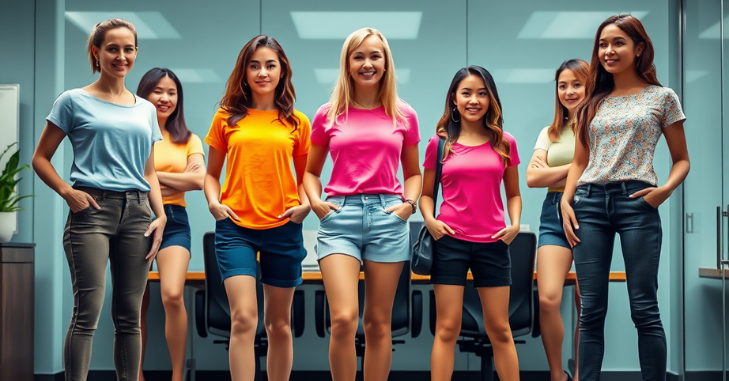
Opting for overly casual attire like jeans, t-shirts, or sneakers can give the impression that you’re not taking the interview seriously. Even if the company has a relaxed dress code, avoid casual wear and choose business casual pieces such as tailored trousers, a neat blouse, and a structured blazer.
Wearing Distracting or Trendy Pieces
While showing your personality is essential, wearing loud patterns, neon colors, or ultra-trendy items can draw attention away from your qualifications. The goal is for the interviewer to focus on your skills, not your outfit. Stick to classic styles and neutral colors, and save bold fashion statements for another occasion.
Choosing Ill-Fitting or Uncomfortable Clothes
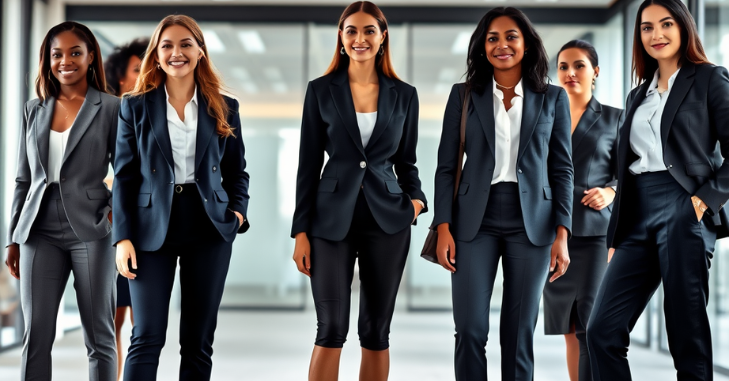
Clothes that are too tight, too loose, or wrinkled can make you look unprepared and may impact your confidence. Select outfits that fit your body well and allow you to move comfortably. Always try on your outfit beforehand, ensuring you feel confident whether sitting or standing.
Mixing Clashing Colors or Overly Bright Palettes
Wearing mismatched or overly bright colors can be distracting and may not convey professionalism. Opt for classic hues such as deep blue, charcoal, onyx, and crisp white for a timeless and professional look. If you want to add color, do so with a subtle accessory, not your main outfit.
Over-Accessorizing or Under-Accessorizing
Too much jewelry or too many accessories can be overwhelming and distract from your skills. On the other hand, skipping accessories entirely can make your look seem unfinished. Choose simple, elegant pieces such as stud earrings, a classic watch, or a delicate necklace.
Ignoring the Company’s Dress Culture
Not researching the company’s typical dress code can lead to overdressing or underdressing. Explore the company’s official site or social platforms to understand its dress code and professional attire expectations. Strive to elevate your attire beyond daily wear for a more polished and professional appearance.
Neglecting Grooming and Small Details
Even the best outfit can be undermined by wrinkled clothes, messy hair, or scuffed shoes. Make sure your clothes are clean and pressed, your shoes are polished, and your hair is neat. Avoid strong perfumes or colognes, which can be distracting in a small interview room.
Best Job Interview Outfits for Women for Success
The Classic Business Professional Look
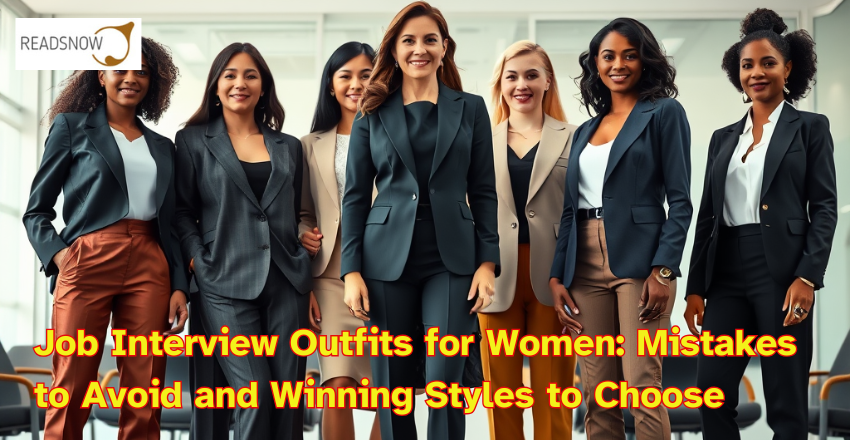
A well-tailored suit is always a safe choice for traditional industries such as finance, law, or executive positions. Pair slim or wide-leg trousers with a matching blazer and a crisp blouse. Classic shoes like loafers or modest heels complete the look.
Polished Business Casual
In creative or less formal fields, business casual is often the standard. Combine dark, tailored pants or a knee-length skirt with a bright blouse and a blazer or cardigan. Ballet flats or loafers are both stylish and comfortable options.
Professional Dresses and Skirts
A midi-length dress in a classic hue or understated pattern offers a polished yet welcoming appearance, perfect for professional settings. Make sure the neckline is modest, and the hemline is appropriate. Pencil skirts paired with tucked-in blouses are another timeless choice.
Plus-Size Interview Outfit Ideas
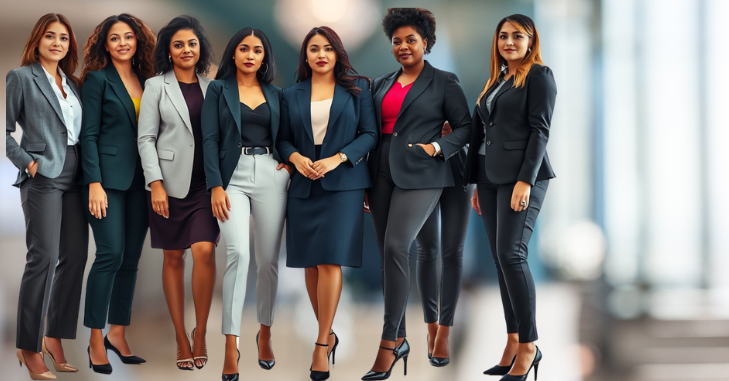
The key is to find well-fitting pieces that flatter your shape. High-waisted trousers or skirts with tucked-in blouses work well for many body types. Flowy dresses or skirts can be flattering for curvier figures. Use accessories like belts or scarves to highlight your waist and add color.
Smart Color Choices
- Navy Blue: Communicates trust and reliability.
- Black: Suggests authority and confidence.
- Gray: Indicates professionalism and logic.
- White: Shows organization and attention to detail
- Build your outfit around these tones, enhancing the look with a pop of color through accessories like a scarf, belt, or delicate jewelry.
Wardrobe Essentials for Interviews
- A classic blazer in navy or black
- Crisp button-down shirts or elegant blouses
- Tailored trousers or pencil skirts
- Simple, knee-length dresses
- Comfortable flats, loafers, or low heels
- Minimalist jewelry and a professional handbag
Tips for Personalizing Your Interview Outfit
Add Personality with Care
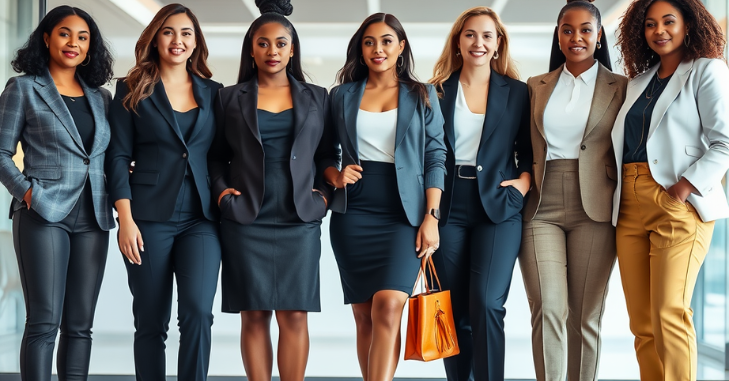
You don’t have to hide your personality to look professional. Add a unique touch with a statement necklace, a pop of color in your shoes, or a subtle patterned scarf. Just keep it balanced and appropriate for the company and role.
Prioritize Confidence and Comfort
Select attire that boosts your confidence while ensuring comfort throughout the day. Comfort in your outfit shows in your posture and attitude during the interview.
Keep Everything Fresh and Neat
Always wear freshly cleaned and pressed clothes. Pay attention to details like tidy hair, neat nails, and polished shoes. Minimal fragrance is best so as not to overwhelm your interviewer.
Quick Reference Table: What to Avoid and What to Wear
| Mistakes to Avoid | Winning Styles to Choose |
|---|---|
| Jeans, t-shirts, sneakers | Tailored trousers, blazers, blouses |
| Loud patterns, neon colors | Neutral, classic pieces |
| Ill-fitting or wrinkled attire | Well-fitted, comfortable clothes |
| Over-accessorizing | Simple, elegant jewelry |
| Ignoring company culture | Research and match dress code |
| Poor grooming | Research and match the dress code |
Conclusion
In summary, job interview outfits for women are about more than fashion- they’re a powerful tool for expressing professionalism, confidence, and attention to detail. By steering clear of common mistakes and embracing winning styles tailored to the company and role, you set yourself up for success from the moment you walk in the door.
Remember, the right outfit helps you look the part and boosts your self-assurance, allowing your true potential to shine. With thoughtful preparation and wise choices, you can make your next job interview outfit a stepping stone to your dream career.
Apart from that, if you want to know about “Athleisure Outfits: Elevate Your Wardrobe with Sophisticated, Versatile Style for Seamless Transition Between Active and Everyday Wear,” please visit our “Fashion” Category.
Frequently Asked Questions (FAQs)
A female should wear a tailored blazer, blouse, and dress pants or a knee-length skirt for a polished and professional look. Neutral colors, minimal accessories, and closed-toe shoes help create a confident and sophisticated impression.
Classic shades such as deep navy, charcoal gray, jet black, and crisp white are perfect interview choices. They exude professionalism and confidence and are reliable. Avoid overly bright shades and opt for subtle tones that create a polished and sophisticated impression.
If the company allows casual attire, a girl can wear jeans to an interview. Still, they should be dark, fitted, and styled professionally. For formal industries, dress pants or skirts are a safer choice.