


Introduction
A laser projector is transforming the way we view entertainment and presentations. Offering significant advantages over traditional lamp-based projectors, a laser projector can last up to 20,000 hours, compared to just 3,000-5,000 hours for conventional projectors.
These projectors provide superior brightness, sharper images, and better color accuracy. Projectors are ideal for home theaters and business environments, with options like 1080p and 4K resolution and various types such as short and ultra-short throws. Their durability, energy efficiency, and low maintenance costs make them a wise investment for anyone looking to enhance their viewing experience.
| Basics | Features |
| Advantages | Longer lifespan, better color, energy-efficient. |
| Key Features | Brightness, 1080p/4K, HDMI/Wi-Fi. |
| Types | Short throw, long throw, ultra-short throw. |
| Resolution | 1080p for HD, 4K for sharper images. |
| Brightness | 2,000-5,000 lumens, depending on space. |
| Color Accuracy | Vibrant colors, wide gamut. |
| Throw Ratio | Placement for desired image size. |
| Home Entertainment | Vibrant, energy-efficient, long-lasting. |
| Applications | Offices, classrooms, presentations. |
| Energy Efficiency | Low power, quick start. |
| Lamp Life | Up to 20,000 hours, low maintenance. |
| Connectivity | HDMI, USB, Wi-Fi, Bluetooth. |
| Installation Tips | Proper setup for optimal performance. |
| Comparison | Laser: Bright, accurate; LED: Compact; DLP: Sharp. |
| Cost | Higher cost, long-term savings. |
| Trends | 4K, wireless, portability. |
Advantages Of Traditional Lamp-Based Projectors
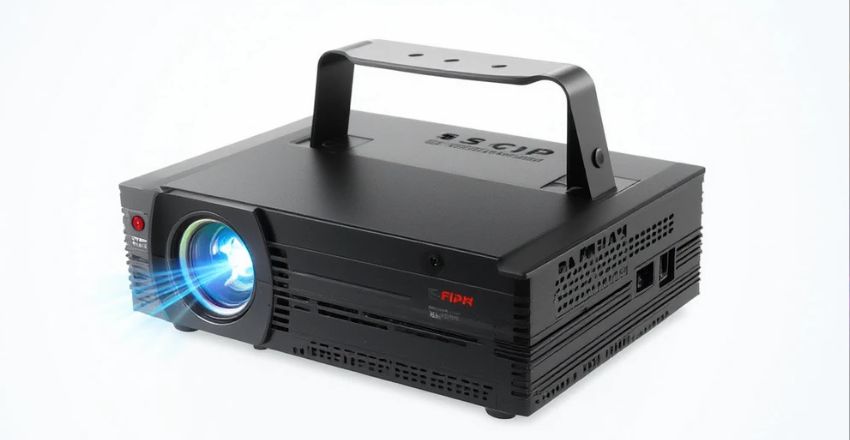
Laser projectors have several advantages over conventional lamp-based models. One of the most significant benefits is a longer lifespan for traditional lamps, lasting up to 20,000 or more than 3,000-5,000 hours. Additionally, they offer better color accuracy, increased brightness, and lower maintenance needs. The projectors are also energy-efficient.
Key Features
- When selecting a projector, there are several features to remember.
- First, consider the projector’s brightness, typically measured in lumens.
- A higher brightness ensures more explicit images in well-lit rooms.
- Next, look at the resolution, as higher resolutions like 4K offer sharper details.
- Additionally, check for connectivity options like HDMI and Wi-Fi to ensure compatibility with various devices.
Types
projectors come in three main types: short throw, long throw, and ultra-short throw. A short-throw projector can project large images from a short distance, making it ideal for smaller spaces. Long-throw projectors require more space to project larger images. Ultra-short throw projectors can be placed directly in front of the screen.
Laser Projector Resolution
Resolution plays a crucial role in the image quality of a projector. The most common options are 1080p and 4K resolutions. A 1080p projector delivers complete HD clarity, while a 4K projector offers four times the pixel density, providing sharper and more detailed images. The choice between the two depends on the desired picture quality and the projected screen size.
Brightness and Light Output
Brightness is one of the most important specifications for a projector. Measured in lumens, the brightness determines how the projector can display images, especially in well-lit rooms. A projector with 2,000-3,000 lumens is sufficient for home use, while 5,000 lumens or more is ideal for business presentations or large spaces. Higher brightness ensures vivid, clear images in varied lighting conditions.
Color Accuracy and Gamuts
projectors are known for their superior color accuracy. The laser light source enables a wider color gamut, meaning the projector can display more vibrant and precise colors. This is crucial for creating realistic, high-quality images, especially for cinema, home theaters, and professional presentations. Projectors typically offer better color reproduction than lamp-based projectors.
Throw Ratio
The throw ratio determines how far a projector needs to be from the screen to produce a specific image size. A lower throw ratio means the projector can be placed closer to the screen, ideal for small rooms. A higher throw ratio is required for large rooms to achieve the desired image size. Understanding the throw ratio helps you set up the projector in the proper position for optimal performance.
How Laser Projectors Enhance Home and Business Viewing Experiences
Laser projectors stand out from traditional lamp-based models by using laser light sources that deliver brighter images with richer color reproduction and longer lifespan. Unlike conventional projectors that rely on bulbs that degrade over time, laser technology provides consistent illumination and better contrast, making it ideal for both cinematic home theaters and professional business presentations. Additionally, laser projectors often require less maintenance because they don’t depend on bulbs that need frequent replacement, which can reduce long-term costs and downtime. Their ability to produce sharp, vivid images across a range of lighting conditions makes them a versatile choice for users who want a reliable, high-quality viewing experience whether they’re watching movies, sharing multimedia content, or displaying data in conference settings.
Laser Projectors for Home Entertainment
Laser projectors have transformed home entertainment by delivering brighter, more vibrant images with longer lifespans. With 4K resolutions and wide color gamuts, they are perfect for home theaters, creating a cinematic experience. Projectors also eliminate the need for frequent bulb replacements, offering convenience and cost savings.
Applications and Benefits
- In business and education, projectors offer clear, bright presentations with minimal maintenance.
- They are ideal for classrooms, conference rooms, and lecture halls due to their high brightness and clarity, even in well-lit environments.
- The long lifespan of projectors reduces operational costs, while their energy efficiency ensures sustainability. Furthermore, the advanced color accuracy and sharpness make presentations more impactful and professional.
Energy Efficiency and Durability
Laser projectors are known for their energy efficiency. They consume less power than traditional lamp-based projectors while delivering superior performance. The laser light source does not require a warm-up period, making it quick to start and stop. Additionally, the durability of projectors is impressive, with many models lasting up to 20,000 hours, reducing the need for replacements and minimizing maintenance costs.
Lamp Life and Maintenance
Laser projectors are renowned for their extended lamp life. With a lifespan of up to 20,000 hours, they outlast traditional lamp-based projectors significantly. This extended life reduces the need for regular lamp replacements and lowers maintenance costs. While they still require occasional maintenance, such as cleaning filters, projectors generally require less upkeep than conventional projectors, providing long-term reliability and value.
Connectivity Options: HDMI, Wi-Fi, USB, and More
Laser projectors come with a variety of connectivity options to enhance their versatility. Most models include HDMI ports for connecting devices like laptops, gaming consoles, and Blu-ray players. Many projectors now offer Wi-Fi and Bluetooth connectivity, allowing wireless streaming from devices or cloud storage. USB ports and built-in apps are also standard features, adding to the convenience and functionality of these projectors.
Installation Tips
Proper installation is key to getting the best performance from your projector. Based on its throw ratio, ensure the projector is placed correctly from the screen. Ensure the room is dark enough for optimal viewing, especially for home theater use. Additionally, check that the projector is securely mounted or placed on a stable surface to avoid movement during use.
Compare to LED and DLP Projectors
projectors, LED projectors, and DLP projectors all offer distinct advantages. Projectors are known for their brightness, color accuracy, and long lifespan. LED projectors are energy-efficient and compact but may not be as bright as laser models. DLP projectors provide sharp images with good color accuracy but are often less vibrant than laser projectors. Choosing the right technology depends on your specific needs, such as space, budget, and usage.
Cost Considerations
Laser projectors are more expensive upfront than traditional lamp-based projectors, but they offer significant long-term savings. With fewer maintenance needs, no lamp replacements, and a longer lifespan, they are a cost-effective solution over time. The energy efficiency of projectors also helps lower operating costs, making them a good investment for home and business use.
Trends and Innovations
The future of laser projectors is promising, with advancements in brightness, resolution, and integration with innovative technologies. Innovations like wireless streaming, improved color accuracy, and enhanced portability are expected to shape the next generation of projectors. As technology evolves, projectors will become even more accessible and versatile for consumers and businesses.
Conclusion
In conclusion, laser projectors offer numerous benefits, including longer lifespan, superior brightness, and exceptional color accuracy, making them a smart choice for home entertainment and business presentations. They provide a high-quality, cost-effective solution with resolutions ranging from 1080p to 4K, energy efficiency, and low maintenance. Whether for a home theater or professional setting, laser projectors deliver outstanding performance and value, ensuring an enhanced viewing experience.
Apart from that if you want to know about “ScanSnap iX1600” then please visit our “Tech” Category.
FAQs
A projector uses a laser light source to project images onto a screen. It offers brighter, sharper pictures and longer life spans than traditional lamp-based projectors.
Projectors can last up to 20,000 hours or more, significantly outlasting traditional lamps that typically last between 3,000-5,000 hours.
Projectors are available in various resolutions, including 1080p (Full HD) and 4K, offering sharp and clear images, with 4K providing four times the pixel density 1080p.
A laser projector is a display device that uses laser light sources instead of traditional lamps to project images onto a screen or surface.
Laser projectors are often considered better because they offer longer lifespan, more consistent brightness, and lower maintenance needs.