

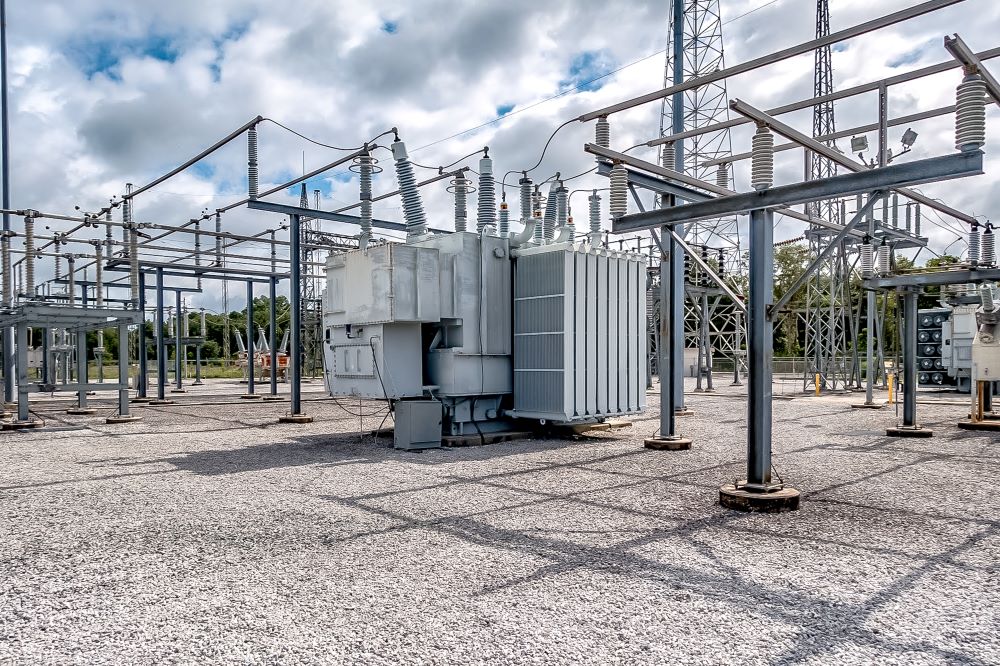
Power substations are the backbone of any electrical distribution system. Their efficiency and reliability directly affect the stability of power supply to homes, businesses, and essential infrastructure. To keep operations smooth and safe, several core elements must be in place—from equipment maintenance to system monitoring. Here are key essentials every power substation should prioritize for optimal performance.
1. Regular Transformer Maintenance
Transformers play a central role in adjusting voltage levels to meet distribution needs. Without regular maintenance, they are vulnerable to overheating, oil contamination, and insulation breakdown. Routine checks include testing oil quality, inspecting bushings, and monitoring load conditions. Preventive maintenance helps identify small issues before they become costly problems.
Skilled technicians can use infrared scanning and dissolved gas analysis to assess internal conditions. By keeping transformer equipment in peak condition, substations can extend the life of their assets. Many companies like Power Substation Services provide maintenance services for transformers and other equipment. They help identify early signs of wear and potential faults before they escalate into costly failures. With their expertise, substations can maintain high performance standards while minimizing the risk of downtime.
2. Robust Protection and Control Systems
Protection relays and control devices are essential for detecting faults and quickly isolating affected sections. These systems help minimize damage and ensure safety during unexpected events. To work effectively, they must be correctly calibrated and routinely tested. Backup systems should also be in place to maintain operation during equipment failure.
Integrating digital relays with SCADA (Supervisory Control and Data Acquisition) improves monitoring and real-time control. Operators should be trained in interpreting alarm data and taking appropriate action. A strong protection strategy ensures faults don’t cascade into larger outages.
Also Read: Epson p900: Unmatched Color Accuracy, Advanced Black & White Capabilities, and Fine Art Versatility
3. Grounding and Lightning Protection
A well-designed grounding system ensures that fault currents safely dissipate into the earth. This protects both the equipment and personnel from dangerous voltage surges. Ground resistance tests should be conducted regularly to confirm system integrity. Lightning arresters should be installed and maintained, especially in high-risk weather areas. Over time, corrosion or soil changes can degrade grounding effectiveness, so updates may be necessary. Protecting substations from lightning strikes is crucial to prevent fires, outages, and equipment damage. Reliable grounding and surge protection are foundational to a substation’s safety design.
4. Clean and Organized Infrastructure
Keeping the substation environment clean and free of debris helps prevent accidents and equipment degradation. Dust and grime can accumulate on insulators and cause flashovers, while weeds and rodents may damage wiring. Clear labeling of equipment and cables improves operational efficiency and safety during maintenance.
Organizing tools and spare parts reduces response time in emergencies. Regular housekeeping walks should be scheduled and documented. Safety signage and barriers should always be visible and well-maintained. A tidy and organized substation is easier to manage and much safer to operate.
5. Condition Monitoring and Predictive Analysis
Advanced monitoring systems track the condition of key equipment in real-time. These systems collect data on temperature, vibration, oil levels, and electrical loads. By analyzing trends, operators can predict when a component might fail and take action early. Predictive maintenance reduces unplanned downtime and saves costs on emergency repairs.
Integration with digital platforms allows for remote diagnostics and alerts. Data should be reviewed regularly to ensure nothing is overlooked. Modern condition monitoring transforms substations from reactive to proactive management hubs.
6. Skilled Personnel and Training Programs
Even the best equipment needs knowledgeable people to run and maintain it. Technicians and engineers should undergo regular training to stay updated on safety protocols and new technologies. Hands-on simulations and drills can prepare teams for emergency situations. Certifications and continuing education help ensure staff competence.
Cross-training between roles can also improve response time and flexibility. It’s important that operators understand not just how to run equipment, but why certain procedures are necessary. An informed team can prevent issues before they escalate and ensure compliance with industry standards.
7. Up-to-Date Documentation and Maintenance Records
Maintaining accurate records is essential for tracking performance, planning maintenance, and meeting regulatory requirements. Every piece of equipment should have a service log that includes dates, observations, and completed work. This documentation supports faster troubleshooting and helps prevent repeat issues.
Digital record-keeping makes it easier to access historical data and share insights across teams. Schematics, manuals, and safety protocols should always be current and accessible. Organized records contribute to better decision-making and overall operational transparency. Substations that prioritize documentation are better equipped to handle audits and upgrades.
Conclusion
By addressing each of these essentials, power substations can improve their reliability and efficiency while reducing the risk of unexpected failures. A combination of proper equipment care, trained personnel, and modern monitoring tools helps ensure the smooth delivery of electricity that communities and businesses depend on every day.
If you want to know more about PlayStation Earbuds Review: Full Breakdown of Sound Quality, Battery Life, Compatibility, Features, Pricing, and Real-World Performance? then visit our Tech category.