


Introduction
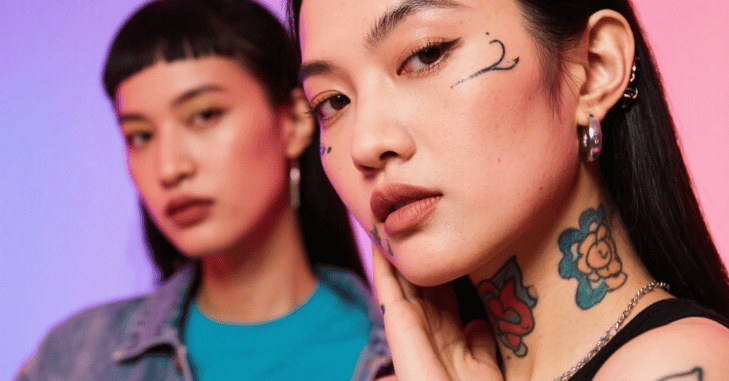
In recent years, face tattoos for women have evolved from a controversial to a celebrated practice, marking a significant shift in how society views female self-expression and body art. No longer confined to underground cultures or seen solely as rebellious statements, face tattoos have emerged as powerful tools for storytelling, identity, and empowerment.
Women across the world are reclaiming their bodies and narratives through ink, often choosing designs that reflect deeply personal meanings, from spiritual beliefs and cultural heritage to symbols of strength, loss, and love. This rise in visibility and acceptance has been amplified by celebrities, artists, and influencers who proudly display their facial tattoos as a statement of confidence and authenticity.
Emotional and spiritual themes also emerge through celestial symbols, such as the moon and stars, or animals like butterflies and birds, which reflect intuition, freedom, and rebirth. Whether chosen for empowerment, remembrance, cultural pride, or aesthetic appeal, face tattoos are deeply personal and continue to redefine modern beauty standards, allowing women to wear their stories with pride and artistry.
| Topic | Key Idea |
| Face Tattoos for Women | Expression of identity, strength, and emotion |
| Common Designs | Stars, hearts, words, tribal symbols |
| Placement Areas | Forehead, cheeks, under-eyes, jawline, chin |
| Cultural Roots | Inuit, Berber, Māori, African tribal traditions |
| Challenges | Social stigma, workplace bias, and removal pain |
Face Tattoos for Women
Face tattoos for women have evolved into a powerful and multifaceted form of self-expression, blending personal meaning, cultural heritage, and artistic creativity. Traditionally seen as taboo or rebellious, they are now gaining wider acceptance as women use them to share their stories, values, and identities in a visible and intentional way.
Many opt for small, delicate designs such as stars, hearts, or Roman numerals, often placed near the eyes, temples, or cheekbones. These minimalist tattoos can symbolize anything from guidance and dreams to personal loss or cherished dates. Script tattoos featuring words like “Hope,” “Faith,” or names of loved ones are also popular, often inscribed along the jawline, brow, or cheek.
Beyond the personal, face tattoos can carry cultural significance, particularly in the case of tribal patterns and ancestral symbols, like the Māori moko or Inuit chin tattoos, which honor heritage, resilience, and rites of passage. Floral designs such as roses or lotuses offer a feminine touch, representing beauty, growth, and transformation. Some women choose ornamental or geometric patterns to accentuate their facial features, turning their face into a symmetrical and symbolic canvas.

Historical and Cultural Background
Ancient Origins
Face tattoos are not a new phenomenon. For centuries, cultures across the globe have used facial ink to symbolize:
- Tribal affiliation: In Africa, indigenous tribes used facial tattoos or scarification as identity markers.
- Spiritual beliefs: In Polynesian and Māori cultures, facial tattoos known as tā moko carried spiritual and ancestral significance.
- Rites of passage: Among Native American groups and Arctic communities (e.g., Inuit women), tattoos marked maturity, status, or achievement.
Cultural Significance for Women
In many ancient cultures, face tattoos were specifically applied to women. For instance:
- Inuit Women Wore chin tattoos to indicate marital status or to please ancestral spirits.
- Berber Women: In North Africa, facial tattoos symbolized protection and beauty.
- Thai Sak Yant Tattoos: Though primarily placed on the body, these spiritual tattoos were occasionally applied to the face for protection or blessings.
Modern Evolution of Face Tattoos for Women
Modern face tattoos were once associated with outlaws or alternative subcultures. However, as body art has gained mainstream acceptance, more women are getting small and meaningful tattoos on their faces. Celebrities and influencers have played a major role in destigmatizing them.
Famous examples include:
- Post Malone’s influence on minimalist facial designs (though male, his style inspired others)
- Amber Rose has the names of her children tattooed on her forehead
- Kat Von D, who has stars tattooed on her temples, is helping normalize facial ink in the beauty industry
Reasons Women Choose Face Tattoos
Face tattoos can hold deep meaning for many women, often serving as a form of personal expression that reflects their beliefs, heritage, or significant moments in their life journey. Beyond personal symbolism, these tattoos are also a powerful statement of empowerment.
Choosing to get a visible and permanent mark on the face challenges traditional beauty standards and can be seen as an act of strength and resilience. Additionally, face tattoos are increasingly being embraced as an artistic statement. Minimalist or ornamental designs enhance facial features such as the cheekbones or eyes, transforming the face into a striking and unique canvas.
For some women, face tattoos also serve as a memorial or tribute to loved ones. Placed near the eyes or temples, these designs symbolize emotional closeness and the desire to keep someone’s memory alive in a deeply personal and visible way.
Placement Ideas and Their Meaning
| Placement Area | Common Designs | Symbolism |
| Forehead | Words, symbols | Beliefs, spirituality, personal truths |
| Under-eye | Hearts, stars | Emotions, remembrance |
| Temples | Stars, floral | Balance, dreams, femininity |
| Jawline | Script, lines | Strength, identity |
| Cheeks | Small images | Beauty, passion |
| Chin | Tribal marks | Heritage, transformation |
Social Perceptions and Challenges
Professional Stigma
Despite growing acceptance, many workplaces still consider face tattoos unprofessional. Women with facial tattoos may face:
- Employment discrimination
- Stereotyping based on outdated notions
- Assumptions about their lifestyle or values
However, creative industries like fashion, music, and art often embrace facial ink, turning it into a trend rather than taboo.
Some face tattoo designs stem from indigenous or tribal traditions. It’s essential to respect and understand their meanings before adopting such symbols to avoid cultural appropriation.
Psychological and Emotional Impact
Women who choose face tattoos often report a sense of ownership over their bodies and narratives. Tattoos can serve as tools for healing trauma, celebrating recovery, or reclaiming power over one’s identity.
Tattooing Process and Pain Levels
- Consultation: Discuss design, placement, and meaning with a professional.
- Preparation: The face is thoroughly cleaned and prepped.
- Tattooing: Due to facial sensitivity, expect some discomfort.
- Time: Small designs may take 30 minutes; larger, intricate ones can take longer.
Pain Levels
The face is one of the most sensitive tattoo areas due to thin skin and proximity to bone. Common pain zones include:
- Temples
- Jawline
- Under-eye area
- Forehead
Aftercare Tips for Face Tattoos
The healing time for face tattoos typically ranges from 1 to 2 weeks for the outer layer of skin, though the deeper layers may take longer to fully recover. During this period, proper aftercare is essential to ensure optimal healing and prevent infection.
It’s important to gently wash the area with mild soap and water, apply a fragrance-free, antibacterial ointment, protect the skin from direct sun exposure, and sleep on a clean pillowcase to maintain hygiene. On the other hand, there are several things to avoid during the healing process.
You should not scratch or peel any scabs that form, as this can lead to scarring or loss of pigment. Additionally, it’s best to steer clear of heavy makeup around the tattooed area and avoid excessive sweating or exposure to unclean environments, as these factors can hinder healing and increase the risk of irritation or infection.
Popular Face Tattoo Designs for Women
| Category | Design Examples | Meaning/Placement |
| Small and Subtle Designs | Stars, Hearts, Teardrops, Roman Numerals/Dates | Guidance, love/loss, grief, important events; near eyes, temples, cheeks |
| Script or Words | Names: “Hope,” “Faith,” “Resilience” | Personal messages are typically placed on the jawline, cheek, or brow |
| Ornamental/Tribal Patterns | Lines, dots, geometric shapes | Inspired by tribal art, it emphasizes eyes and facial symmetry |
| Floral Designs | Small roses, lotuses | Femininity and growth are commonly tattooed on the cheeks or forehead |
| Chin Tattoos | Tribal or ancestral symbols | Revival of indigenous practices; symbolic and cultural significance |
Removal and Regret: What to Know
Laser removal is an option, but it can be:
- Costly (several hundred dollars per session)
- Painful
- Time-consuming (requires multiple sessions)
- Risk of scarring or hypopigmentation
- Consider the long-term impact
- Choose meaningful designs
- Work with experienced artists

Conclusion
Face tattoos for women represent far more than just body art; they are intimate reflections of personal stories, cultural roots, and emotional journeys. As society evolves and embraces a broader definition of beauty, these tattoos are breaking down outdated stigmas and becoming symbols of strength, resilience, and identity.
Whether chosen to honor loved ones, celebrate life milestones, or make an artistic statement, each facial tattoo carries a unique significance that is deeply personal to the wearer. While it’s crucial to consider the permanence, healing process, and social implications, the decision to get a face tattoo ultimately empowers women to take ownership of their bodies and their stories.
Want to know about “The Best Fabrics for Tailored Suits: What to Ask Your Suit Tailor” Check out our “fashion” category.
FAQs
People might tell that the woman was married and from a specific family by looking at the tattoos.
Additionally, the area of the face being tattooed can have a significant impact on how painful a face tattoo is.
The initial tattooed lines on the chin indicated that the girl had reached adulthood. That was a cause for celebration. Moments in a woman’s life, such as marriage and having children, were represented with tattoos.
The meaning and symbolism of two-faced tattoos frequently represent concepts of inner turmoil, dualism, and the complexity of decision-making.