

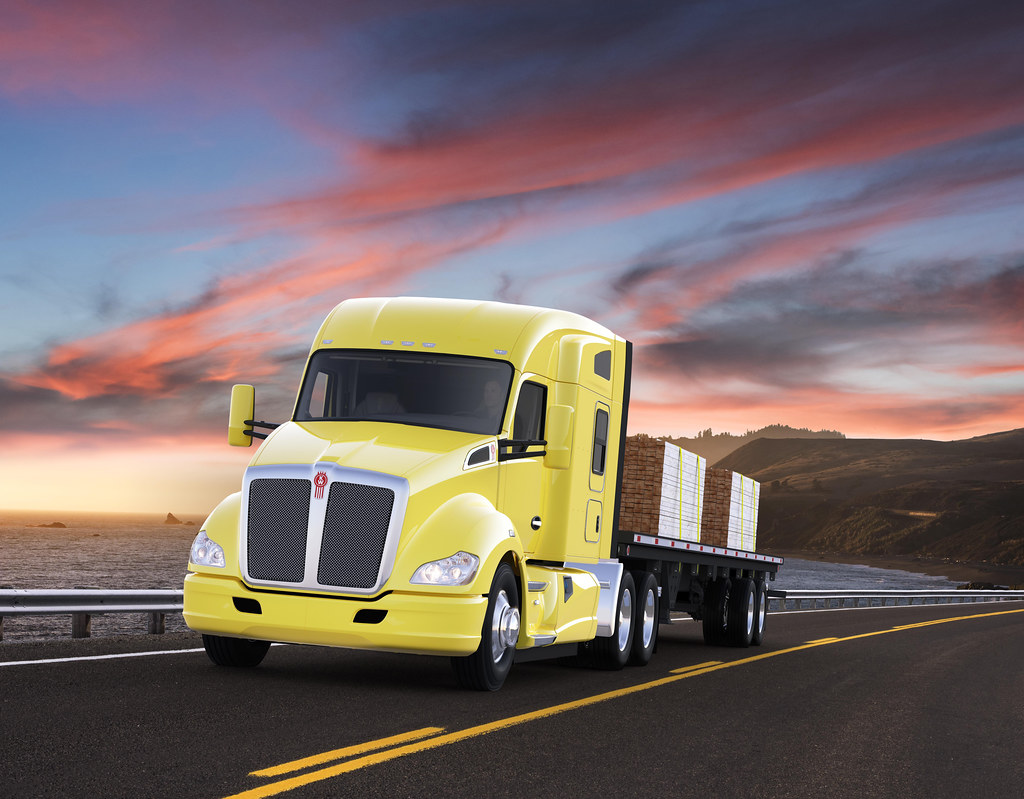
When you think of a trucking job, what comes to mind? Long highways, big rigs, and perhaps the rhythmic sound of tires on pavement? While all of that holds true, not all trucking jobs are created equal. One of the most physically demanding and often overlooked niches in the trucking world is flatbed driving. But it also happens to be one of the most rewarding—for the right person.
So let’s discuss: Is flatbed truck driving the right career move for you?
Suppose you’re exploring career options in the transport and logistics sector or thinking of upgrading from a standard dry van to something more challenging. In that case, this article breaks down everything you need to know—what the job involves, the pros and cons, earning potential, and the kind of person who thrives in this role.
What is a Flatbed Truck Driver?
A flatbed truck driver operates a commercial truck with a flat, open trailer—no walls, no roof. This trailer design allows the transportation of oversized or irregularly shaped cargo that can’t fit in a standard enclosed trailer. Think steel pipes, construction materials, large equipment, or even military vehicles.
But here’s the catch: since the trailer is open to the elements, the driver is also responsible for securing the load with chains, tarps, and straps—making sure everything stays put, even at 65 mph on a windy highway.
That added responsibility comes with higher pay and a sense of pride. But it’s not for everyone.
Typical Responsibilities of a Flatbed Driver
Let’s talk about what your day might look like.
In addition to driving and navigating schedules, a flatbed driver must:
- Load and unload cargo (often using forklifts or cranes at the site)
- Secure loads using heavy-duty straps, tarps, and binders
- Check and re-check load security during transit
- Work outdoors, regardless of weather conditions
- Stay up to date with safety and DOT compliance rules
It’s not just about hauling freight—it’s about handling it with care and ensuring that everything arrives safely and securely.
The Physical Demands: Are You Up for It?
Here’s a question to ask yourself: Do you enjoy working with your hands and being active?
Unlike other trucking jobs where your primary job is to drive, flatbed hauling is physically intense. You’ll climb onto trailers, throw heavy straps, and wrestle with tarps in rain or shine. That level of exertion might sound like a deal-breaker—or a bonus—depending on who you are.
If you’re the type who doesn’t want to sit for 11 hours a day and would rather mix movement with driving, you might thrive here. But if you have physical limitations or are looking for a less strenuous job, a dry van or reefer route might suit you better.
The Pros of Flatbed Truck Driving
Let’s be honest—flatbed trucking isn’t easy. But it comes with some serious perks that make it worth considering.
1. Higher Pay
Because of the added labor and responsibility, flatbed drivers often earn more per mile than dry van drivers. According to industry averages, flatbed drivers can make $65,000 to $90,000+ annually, especially with experience or in specialized freight.
2. More Job Variety
You’re not hauling the same type of cargo every day. One day it might be lumber, the next, industrial machinery. If you enjoy change and don’t want the job to feel repetitive, flatbed offers variety.
3. Increased Demand
Construction, oil & gas, and manufacturing all rely on flatbed transport. These industries often need reliable haulers, which means steady flatbed truck driver jobs are available across the country.
4. Stronger Skill Set
Flatbed trucking helps you develop valuable, transferable skills like cargo securement, route planning for oversized loads, and problem-solving. These can open doors to specialized hauling, like heavy haul or oversized loads, which pay even more.
The Cons: What to Watch Out For
Every job has its downsides. Let’s discuss the real challenges of flatbed driving so you can make an informed decision.
1. Exposure to Weather
Rain, snow, or scorching heat—you’ll be outside securing and tarping loads no matter what. Weather isn’t just an inconvenience; it’s a safety concern.
2. Physical Risk
Securing large, heavy items comes with risk. One wrong move with a bungee cord or climbing improperly onto a trailer can result in injury. That’s why training and safety practices are so crucial in this line of work.
3. Time-Consuming Load Securing
Tarping and strapping a load can add hours to your workday. That’s unpaid time unless your company offers securement pay (many do, but not all).
4. Tighter Deadlines and Regulations
Due to the nature of the cargo, you may face stricter regulations and more frequent inspections. If you’re transporting wide or oversized loads, you’ll need additional permits, escorts, and precise route planning.
Do You Need Special Training or Licenses?
Yes, but not as much as you might think.
To become a flatbed truck driver, you’ll first need a Class A Commercial Driver’s License (CDL). Beyond that, many companies offer on-the-job training to teach proper load securement and safety protocols.
If you’re looking to stand out, consider taking additional courses or certifications, such as:
- Load Securement Training
- OSHA Safety Certifications
- TWIC Card (for port access)
- HAZMAT Endorsement (if hauling hazardous materials)
Training isn’t just about checking boxes—it’s about protecting yourself and others on the road.
Flatbed Trucking vs. Other Trucking Jobs
So, how does flatbed compare to other common types of truck driving?
| Job Type | Average Pay | Physical Demand | Work Variety | Weather Exposure |
| Dry Van | Moderate | Low | Low | Low |
| Reefer (Refrigerated) | Moderate to High | Low | Medium | Low |
| Tanker | High | Medium | Medium | Medium |
| Flatbed | High | High | High | High |
Flatbed trucking is for the driver who wants more than just a steering wheel and a route. It’s for the hands-on problem solver, the strong-willed worker, and the person who thrives in both solitude and responsibility.
Is Flatbed Truck Driving Right for You?
Let’s circle back to the big question: Is this the right path for you?
Ask yourself:
- Do I enjoy physical activity and outdoor work?
- Am I comfortable working independently and taking responsibility for cargo?
- Do I want a job that offers higher pay with greater demands?
- Am I willing to prioritize safety and follow detailed procedures?
If you answered yes to most of these, flatbed trucking might not just be a job—it could be a long-term career.
But if you prefer something with a simpler routine and fewer physical challenges, another driving route may be a better fit.
Tips for New Flatbed Drivers
If you’re leaning toward giving flatbed a try, here are a few quick tips to start strong:
- Invest in good equipment: Your own gloves, safety vest, and quality boots are essential.
- Learn from experienced drivers: Ask questions and observe techniques, especially for securing tricky loads.
- Take safety seriously: Don’t rush. A properly secured load is critical—not just for you, but for everyone else on the road.
- Stay physically fit: This job is like a workout. Stretch, eat well, and build strength to avoid injuries.
Final Thoughts: A Career Built for the Bold
Flatbed truck driving isn’t for the faint of heart. It’s a rugged, disciplined, and highly skilled job that demands respect. But for the right person, it offers excellent pay, a sense of accomplishment, and an ever-changing landscape of challenges.
So, what do you think—are you cut out for it?
Let’s discuss: Would you rather sit in comfort or climb up, strap down, and take pride in hauling what no one else can?
If you’re ready to trade simplicity for strength, routine for responsibility, then maybe flatbed driving is calling your name.