

Introduction
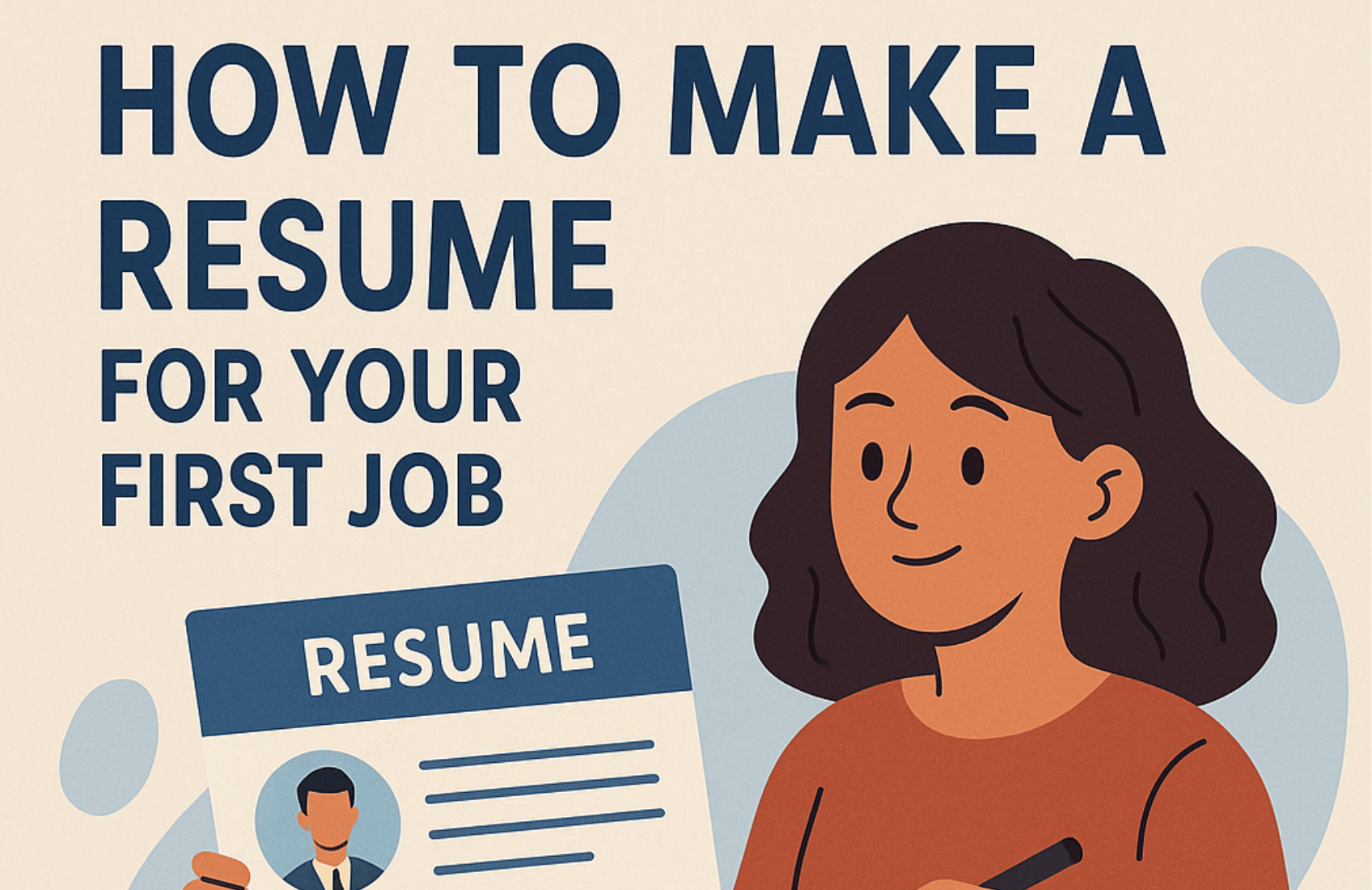
Starting a career can be both exciting and daunting, especially when you need to create a resume without work experience. Knowing how to build a first-time job resume is crucial—it sets the foundation for your professional journey and helps you present yourself to employers effectively. This guide will take you through each step, including the structure of a beginner’s resume, what to include and avoid, and how to showcase your strengths even if you lack work experience. Whether you’re a student, recent graduate, or changing careers, this advice will make the resume-building process easier and more effective.
Even with little experience, you can make your resume stand out by emphasizing your skills, education, internships, and volunteer activities. Knowing how to create a resume for your first job helps you highlight your potential and communicate enthusiasm, dependability, and transferable skills. This article will help you how to make a resume for first job?
In today’s fast-changing market, establishing a recognizable and trustworthy brand requires more than just creativity — it demands leadership, strategic planning, and vision. The role of the brand manager is crucial here. These experts influence how consumers view a product, service, or organization, from developing unified messaging to maintaining consistency across all contact points. They serve as the guardians of brand identity and value. Their impact extends well beyond conventional marketing teams, operating at the crossroads of business, psychology, and design.
| Category | Details |
| Keyword | how to make a resume for first job? |
| Resume Type | Entry-level |
| Format Style | Chronological or Functional |
| Length | 1 Page |
| Font | Calibri / Arial / Times New Roman |
| Font Size | 11–12 pt for body, 14–16 for headers |
| Contact Info | Full name, email, phone number |
| Education | High school or college info |
| Skills | Transferable & technical skills |
| Certifications | Online courses or workshops |
| Volunteer Work | Include relevant activities |
| Extracurriculars | Clubs, leadership, sports |
| Objective Statement | Short summary of goals |
How to Make a Resume for First Job?
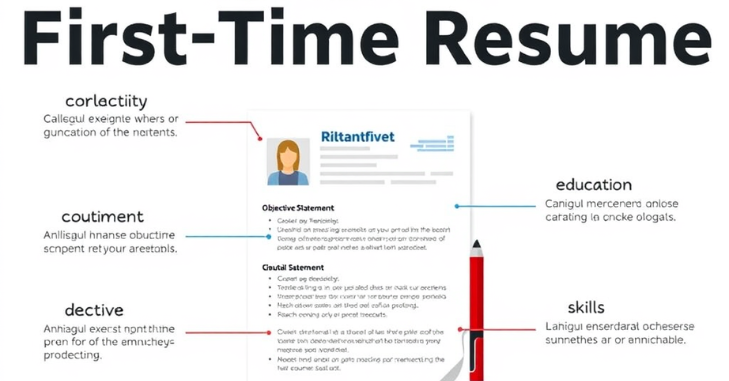
When preparing a resume for your first job, focus on clearly highlighting your strengths, even if you don’t have formal work experience. Emphasize what you do possess, such as your education, volunteer work, academic achievements, relevant skills, and eagerness to learn.
Begin with a clean, professional layout. Limit your resume to one page, organizing it with bold section headings for clarity. Choose a clear font like Calibri or Arial to maintain a consistent format. Place your name and contact details at the top, followed by a brief objective statement that encapsulates your identity and desired role, tailored to the specific position.
If you have limited job experience, start with your education section before your work history. Include the school name, graduation date, GPA (if it’s strong), relevant coursework, and honors. Follow this with extracurricular activities, volunteer work, internships, or school projects demonstrating responsibility, teamwork, leadership, or problem-solving—qualities employers value in first-time candidates. Next, list your skills, covering both soft skills such as communication and time management, and technical skills like Microsoft Office, Canva, or coding languages.
Additional Essential Headings to Include
Professional Objective Statement
Begin your resume with a clear professional objective that outlines your career goals and shows how they align with the position.
Example
Motivated high school graduate with strong organizational and teamwork skills looking for an entry-level customer service position to begin a retail career.
Education Highlights
Even without work experience, your education can showcase your abilities.
- School Name and Location
- GPA (if 3.0 or higher)
- Courses related to the job
- Academic honors or scholarships
Transferable Skills
Create a bullet point list showcasing transferable skills such as:
- Time management
- Teamwork
- Problem-solving
- Adaptability
- Leadership
- Basic computer literacy
Extracurricular Activities

Employers value candidates showing initiative outside of their academic achievements.
Include
- School clubs (debate, science club)
- Sports teams
- Volunteering at events
- Leadership roles (class president, team captain)
Relevant Projects or Portfolios
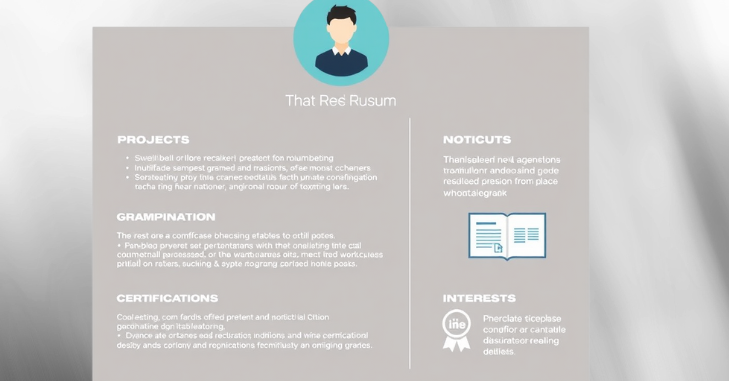
If you have completed any class projects, personal portfolios, or freelance work, list them briefly in bullet points or a short paragraph.
- Created a website during computer class.
- Managed a school fundraiser
- Created a personal blog or online store
Volunteer Experience
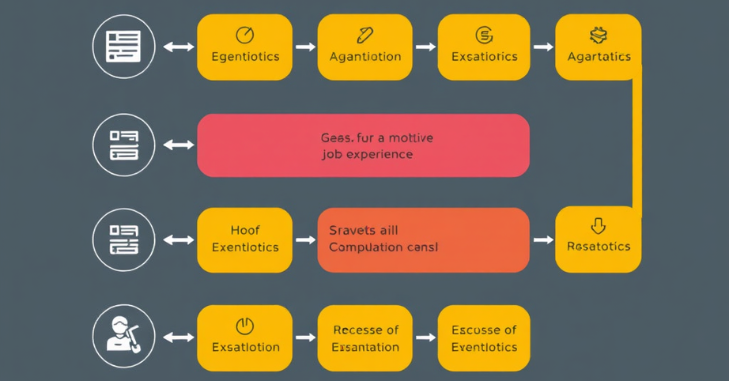
This is often equal in value to job experience when you’re just starting.
- Helped organize community events
- Mentored younger students.
- Participated in a food drive or donation center.
Crtificates & Courses
Online platforms such as Coursera, Udemy, and Google offer certificates suitable for beginners.
Mention
- Course title
- Platform
- Date completed
Example
“Completed Google Digital Marketing course – June 2025 (Coursera)”
Hobbies & Interests (Optional)
This section allows you to customize your resume and demonstrate your versatility.
Include
- Reading (mention genre if job-related)
- Graphic design or photography
- Coding and tech experiments
- Creative writing
References (Available Upon Request)
- You don’t need to list references on your resume. Simply mention:
- References available upon request.
- This allows for more impactful content while maintaining a clean and concise resume.
Common Mistakes First-Time Job Seekers Make

Many beginners make small but crucial mistakes that can affect their chances of landing an interview. One of the most frequent errors is including unnecessary personal information, such as age, full address, or a photo, which isn’t typically required and can make the resume look outdated.
Another issue is using overly casual or inappropriate email addresses—something as simple as creating a professional email can significantly improve first impressions. Grammatical mistakes, inconsistent formatting, and typos can also be red flags for employers, indicating carelessness or lack of attention to detail.
Some candidates try to fill space by exaggerating or including false information, which may backfire if they’re questioned during an interview. It’s also important to avoid sending resumes in editable formats like Word; saving as a PDF ensures the layout stays consistent across all devices. By steering clear of these missteps, your resume will look cleaner, more polished, and more professional.
How a Cover Letter Complements Your Resume?
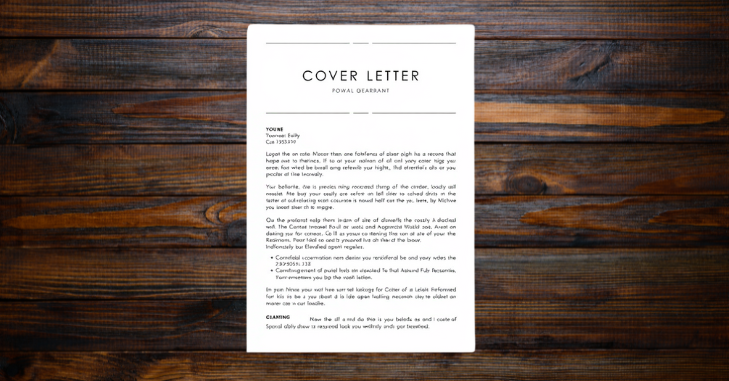
A cover letter plays a powerful role in elevating your first job application. While your resume outlines your qualifications and background, the cover letter allows you to connect personally with the employer, expressing your enthusiasm and explaining why you’re the right fit despite limited experience.
It’s a chance to provide context for your achievements, elaborate on key skills, and show your writing abilities in a professional tone. When well-written, it enhances your resume by filling in the story behind your experiences and career goals.
Structure and Tone of a Great Cover Letter
The cover letter should be addressed directly to the hiring manager whenever possible. Begin with a brief, engaging introduction that states your interest in the position and company. The body should describe specific skills or experiences that relate to the role, even if they come from school or volunteer work. You should end with a polite closing paragraph that reaffirms your interest and expresses eagerness for an interview.
Why It Matters for First-Time Applicants?
For someone applying to their first job, the cover letter can make all the difference. It shows employers that you’ve taken the time to understand the role and communicate your value, even without past employment. It demonstrates maturity, professionalism, and genuine interest, which are often just as important as direct experience. Writing a tailored cover letter for each application boosts your chances of being noticed.
Conclusion
How to make a resume for first job? It is an important step towards entering the professional world. Even without formal experience, your personality, education, and skills can craft a compelling narrative. Customize each section carefully, tailoring it to fit the specific job you’re applying for. Remember to proofread, stay honest, and save your resume as a PDF before submitting.
Securing your first job can seem daunting, but a well-crafted resume showcasing your strengths and aspirations sets you on the right path. With this knowledge, focus on presenting your best self to employers through your resume, and see new opportunities arise.
Want to know about “ScanSnap iX1600: Smart Features, Setup Options, Speed Performance, Touchscreen Profiles, Software Tools” Check out our “Education” category.
FAQs
To demonstrate your potential, highlight your coursework, extracurricular activities, school projects, and transferable abilities.
No, unless the position expressly calls for one. Generally speaking, photos are superfluous and can be biased.
Don’t exceed one page. For entry-level roles, employers choose resumes that are succinct and targeted.
Yes, you may save time and style your resume correctly by utilising a neat, professional template.

